
Cold weather operations, aircraft de-icing training course
Course Description
The Cold Weather and Aircraft De-Icing Training course is designed for engineers, mechanics, and aviation professionals whose work brings them into regular contact with aircraft during winter operations. It introduces the unique challenges of working in cold environments, from the effects of freezing temperatures on people, materials, and systems, to the complex hazards of ice accumulation on aircraft. The course begins with an overview of cold weather precautions and the general risks that low temperatures create, then develops into a comprehensive guide to aircraft de-icing and anti-icing.
Section one highlights the dangers of ice on wings and control surfaces, explains the “Clean Aircraft Concept,” and outlines the importance of qualified training for those supervising or carrying out de-icing. Section two examines the weather conditions that cause icing, the reasons for de-icing, and the role of fluid holdover times in ensuring continued protection. Section three details what parts of the aircraft must be treated, how contamination checks are performed, and the role of engineers in supervising safe procedures. Section four explores in depth the methods of removing frost, ice, and snow, the correct strategies for applying fluids, and how anti-icing should be conducted to maximise safety. Section five brings together the operational and communication requirements that follow de-icing, emphasising post-treatment inspections, responsibilities between maintenance and the commander, logbook requirements, and the final checks before dispatch.
By the end of the course, learners will have a complete understanding of how to recognise cold weather risks, apply correct precautions, and ensure that aircraft are always dispatched in a safe, clean condition, compliant with international standards and operator procedures.
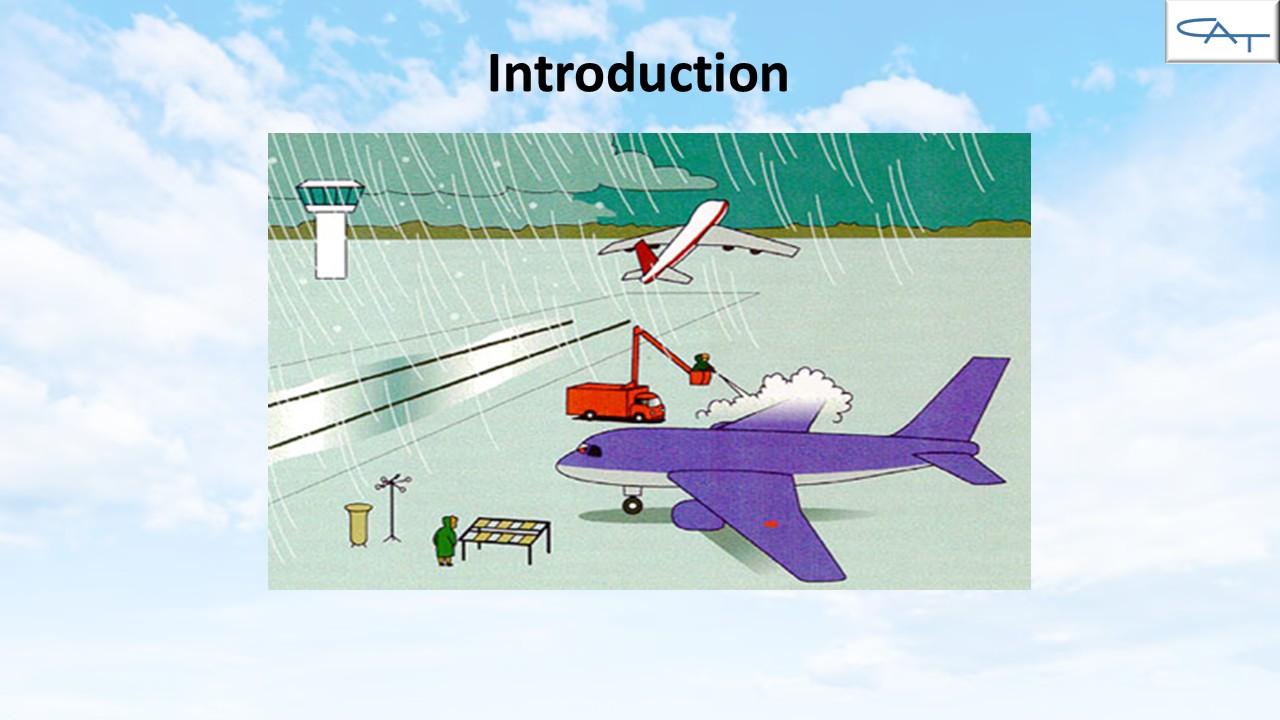
Why Take This Course
Cold weather operations present one of the most persistent risks in aviation. Aircraft accidents caused by ice contamination are almost always avoidable, yet they continue to occur when awareness, procedures, or communication fail. This training ensures that engineers, mechanics, and operational staff are equipped to prevent such failures.
By taking this course, you will learn how to identify hazards early, supervise and verify proper de-icing and anti-icing, and contribute to the safe dispatch of aircraft in winter conditions. You will gain confidence in interpreting holdover times, understanding fluid types, and making sound judgements about when and how de-icing should occur. The training reinforces the responsibilities shared between ground staff and flight crews, ensuring that both safety and compliance are achieved.
Completing this programme not only strengthens professional competence but also protects lives, aircraft, and the reputation of the aviation industry. It is essential learning for anyone involved in aircraft maintenance, ground handling, or operations during cold weather.